


As solar energy continues to expand across the United States, concerns about its impact on agricultural land remain part of the conversation. However, research shared by the Solar Energy Industries Association (SEIA) shows that utility-scale solar installations occupy just 0.07% of the nation’s prime farmland. This small percentage highlights that solar development has a relatively limited footprint on America’s most productive agricultural land.
Solar energy and agriculture do not have to compete for the same space. Through thoughtful land management and agrivoltaic practices, solar projects can coexist with farming, livestock grazing, and natural vegetation. These approaches create opportunities to diversify rural income while supporting clean energy development and preserving productive landscapes for future generations.
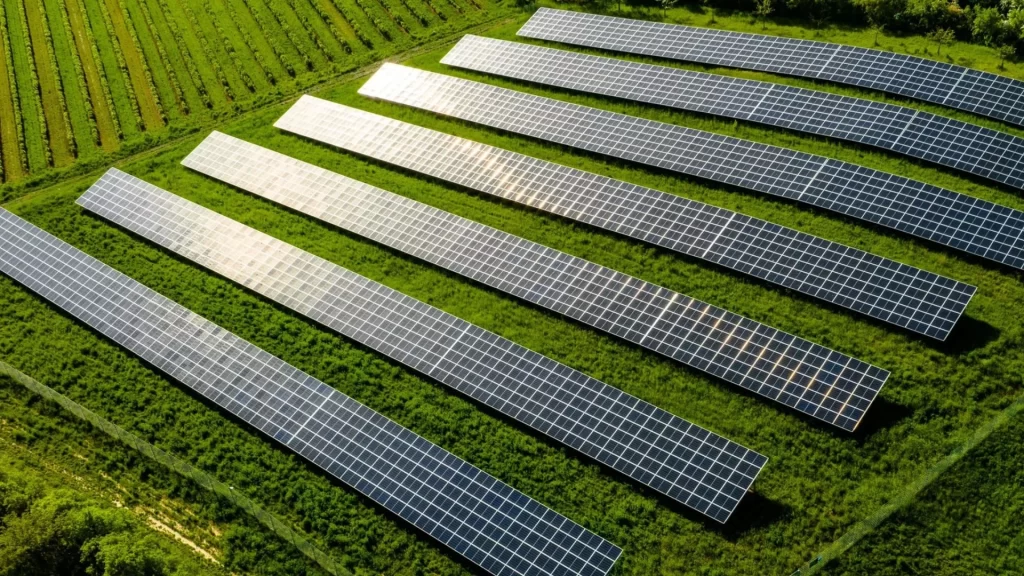
Source: Solar Energy Industries Association (SEIA)