


Community solar is not only about producing clean electricity. It can also help strengthen the places that hold communities together. According to the National Renewable Energy Laboratory, when community assets such as schools, churches, health clinics or community centers install solar PV, the savings on their energy bills can be redirected toward essential services like education, food programs or housing support. In other words, solar can transform a recurring operating cost into long-term community value.
This is why community solar deserves to be seen as more than an energy solution. It is a model that can support local resilience, reduce financial pressure on institutions and create educational opportunities around clean energy. NREL also notes that solar-plus-storage systems can help buildings like schools or churches serve as resilience hubs during grid disruptions, while solar projects in public or community spaces can help students, residents and local organizations learn about renewable energy and environmental stewardship. For communities across the United States, the benefit is clear: shared solar can power buildings, reduce costs and help redirect resources toward the people who need them most.
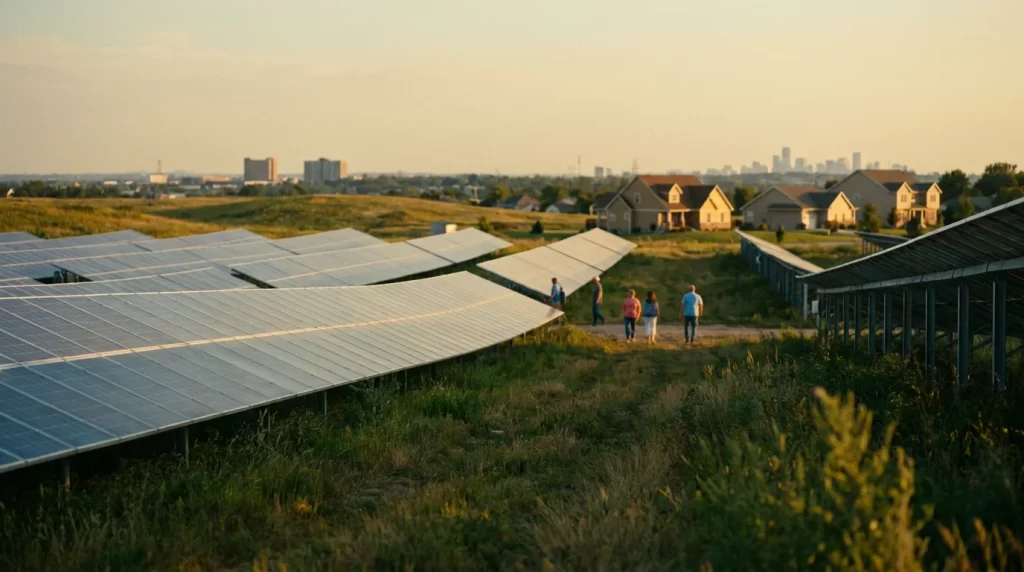
Source: National Renewable Energy Laboratory, “Community Solar and Beyond.”